
Introduction
When people first hear about forex trading, many of them wonder: Is forex trading gambling? This question has sparked debates in online forums, among financial analysts, and even casual investors. While forex trading and gambling both involve risk and speculation, lumping them together ignores the deep differences in strategy, skill, and risk management. In this article, we’ll dive into what separates forex trading from gambling, and why understanding the difference is crucial for beginners.
The Core Differences: Forex Trading vs Gambling
At a glance, both activities involve the use of money, the hope of gaining more, and the risk of losing it all. But that’s where the similarities end. Let’s break down the key differences:
1. Skill vs Luck
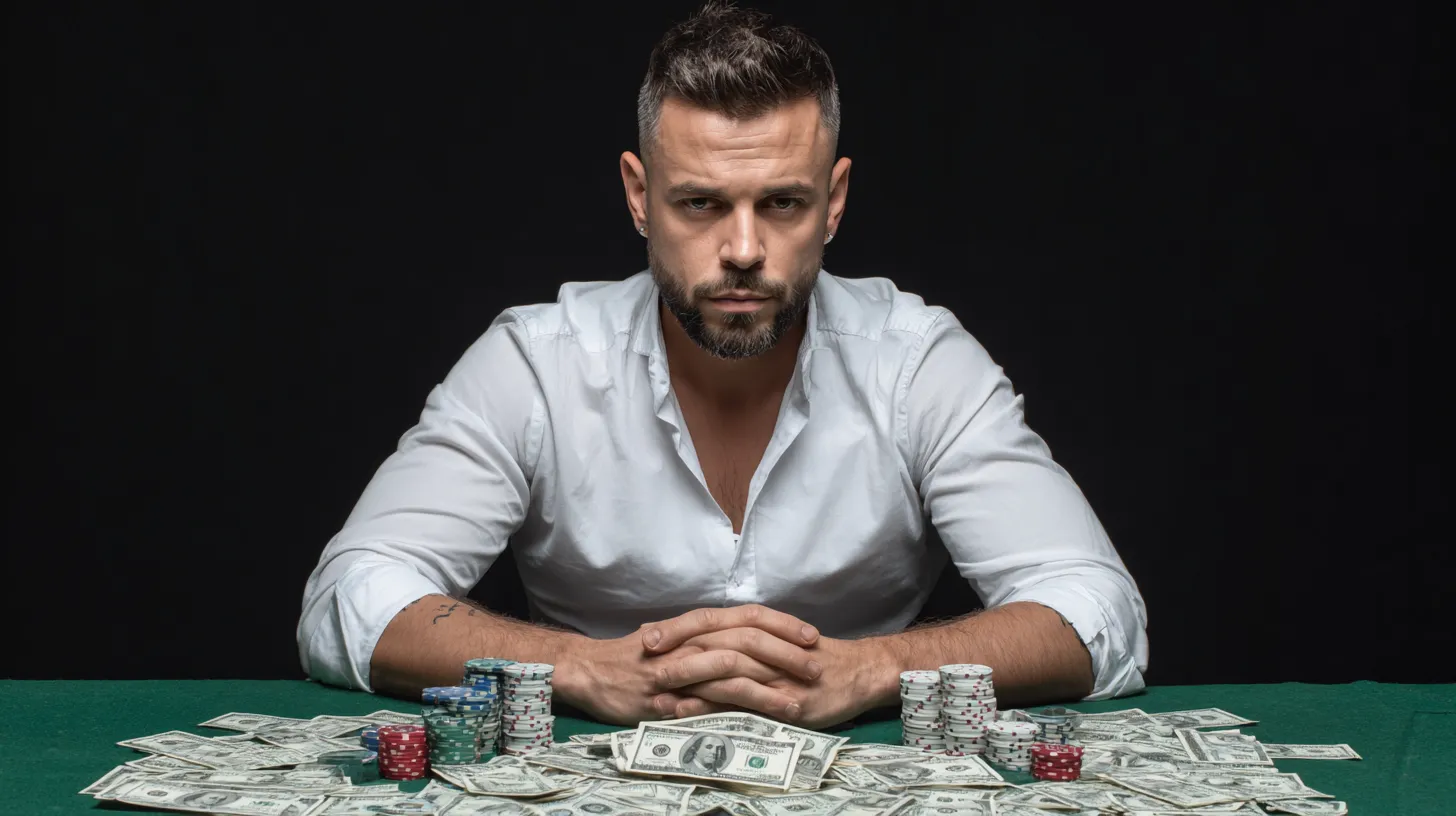
Gambling is largely based on chance. Whether you’re playing roulette, poker, or betting on sports, the outcome often hinges on random events. In contrast, forex trading is primarily skill-based. Traders study the markets, follow economic indicators, analyze technical charts, and apply risk management strategies.
Forex traders who succeed over time do so because they follow a plan, continuously learn, and adapt their strategies. If someone is simply guessing on trades, then yes—in their case, it might resemble gambling. But for professionals, it’s more like a calculated business decision than a roll of the dice.
2. Available Tools and Strategies
In gambling, there’s very little you can do to change the odds in your favor, aside from counting cards (which is often illegal). In forex trading, however, you have a wide range of tools:
- Technical analysis (moving averages, support/resistance)
- Fundamental analysis (news, central bank decisions)
- Risk management (stop-loss, position sizing)
A solid strategy in forex can reduce risk and increase the likelihood of success over time—something gambling can’t offer.
Also read : How to Trading Forex for Beginners: A Complete Step-by-Step Guide to Start Smart
Why Do Some People Think Forex Is Gambling?
So why does the question “Is Forex Trading Gambling” even exist?
- Lack of Knowledge: Many people enter the forex market with minimal knowledge. They treat it like a get-rich-quick scheme and take unnecessary risks. Without a strategy, they might as well be betting on red or black at the casino.
- High Risk: Trading in forex markets does carry significant risk. Leverage, especially, can magnify both profits and losses. When traders use high leverage without understanding its consequences, the results can be catastrophic, making it seem like gambling.
- Emotional Trading: Fear and greed often control new traders. When emotions take over and decisions are no longer based on logic or analysis, losses mount—again making it appear like gambling.
What Makes Forex Trading Legitimate?
1. Regulated Brokers and Institutions
Forex markets are regulated by financial authorities like the FCA (UK), ASIC (Australia), and CySEC (Cyprus). These entities enforce strict rules to protect traders. Gambling doesn’t offer this level of oversight or transparency.
2. Education and Training
There’s a growing global community focused on forex education. New traders can access online courses, mentorships, and demo accounts to sharpen their skills. In gambling, there’s no such roadmap to consistent profitability.
3. Long-Term Strategy
Forex trading is a marathon, not a sprint. Investors focus on long-term growth, similar to how stock traders build portfolios. Strategies like swing trading, position trading, and hedging are far from gambling tactics—they require analysis, patience, and discipline.
Psychological Side: The Mindset Matters
Mindset plays a significant role in determining whether a person treats forex trading as gambling. Professional traders:
- Stick to a tested trading plan
- Use strict risk management
- Maintain trading journals
- Avoid revenge trading
Gamblers, on the other hand:
- Chase losses
- Rely on gut feelings
- Overtrade
- Lack a consistent approach
If your mindset is reckless, then even the most structured market like forex can turn into a casino. So again, Is Forex Trading Gambling? It depends on how you approach it.
Also read : How to Forex Trading App: A Beginner’s Guide to Start Trading with Confidence in 2025
The Role of Leverage in Forex
Leverage allows traders to control a large position with a relatively small amount of capital. For example, with 1:100 leverage, a trader can control $100,000 with just $1,000. While this can amplify gains, it can also magnify losses.
Many beginner traders misuse leverage, leading to massive drawdowns. That’s why responsible brokers and educators always stress using low leverage and placing stop-loss orders. In gambling, there is no such thing as a stop-loss—you lose, and it’s gone.
How to Trade Forex the Right Way
If you’re serious about learning forex the right way, here are some best practices:
- Start with a demo account to practice without risking real money.
- Learn technical and fundamental analysis to make informed decisions.
- Use proper risk management—never risk more than 1-2% of your capital per trade.
- Choose a regulated broker for transparency and security.
- Avoid emotional trading—follow your plan strictly.
Following these steps can put you on the path of being a strategic trader rather than a gambler.
Answering the Big Question: Is Forex Trading Gambling?
Let’s address the question again: Is Forex Trading Gambling? For educated, disciplined traders—absolutely not. Forex trading becomes gambling only when treated irresponsibly. Just like a business can fail due to poor planning, a trader can lose if they ignore fundamentals.
So instead of treating forex like a casino, treat it like a craft. Invest in your education, be patient, and focus on long-term consistency. That’s how professional traders make a living from the market.
Final Verdict: It’s All About Approach
Whether forex trading is gambling depends on how you treat it:
- If you use no analysis, trade on impulse, and risk everything on one trade — you’re gambling.
- If you plan your trades, manage your risk, and continuously educate yourself — you’re investing.
So the next time someone asks, “Is Forex Trading Gambling?”—you’ll know the answer: it’s not, unless you make it so.
Our Top Broker Recommendation
To start your trading journey on the right foot, choosing the right broker is critical. We highly recommend Exness as one of the most reliable and transparent brokers for both beginners and professionals. With ultra-fast execution, low spreads, and strong regulatory licenses, Exness provides a safe and efficient trading environment for those who want to take forex seriously.
Conclusion
Forex trading is not a game of chance—it’s a skill, a profession, and a strategic financial decision. Yes, the risks are real, but so are the rewards if you approach it correctly. Equip yourself with the right mindset, tools, and broker, and you’ll find that forex can be a powerful vehicle for financial growth.
So, one last time—Is Forex Trading Gambling? Not if you trade smart, stay disciplined, and treat it with the seriousness it deserves.