
⚡Trade Like Pros
best zero spread forex brokers are the hidden edge for traders who measure success in fractions of a pip. If you hate paying for spread and want cleaner entries, faster fills, and transparent costing, you’re in the right place. This guide shows how zero-spread models really work, how to compare brokers beyond the marketing, and how to build a trading workflow that cuts cost without sacrificing execution.
🎯 What “Zero Spread” Really Means
A zero spread account usually offers raw market pricing with spreads that can hit 0.0 pip on major pairs during liquid hours, but you’ll pay a fixed commission per lot. It’s not “free,” it’s just unbundled. Instead of paying spread + hidden markup, you pay a visible commission and typically get tighter pricing. During volatile events, spreads can widen even on raw accounts, but the average cost can still be lower for active traders.
🔍 Why Traders Search This
When traders look for best zero spread forex brokers, they’re after lower trading costs, scalper-friendly execution, and consistency during peak sessions. If you run EAs, scalp, or trade news, your strategy gets punished by fat spreads. Zero-spread accounts align with high-frequency tactics, help reduce slippage exposure on entries, and make backtesting assumptions more realistic.
🧩 Zero Spread vs. Standard Accounts
Standard accounts roll commission into the spread. They look simple but often cost more per trade. Raw/zero accounts unbundle that cost: spreads approach 0.0 when liquidity is thick, and you pay a commission you can quickly calculate. If you value precise entries and exit flexibility, the raw structure is usually superior—especially if you scale size or trade frequently.
📏 The Real Cost: Simple Math
Imagine two EURUSD setups. On a standard account with a 1.2-pip spread, a 1-lot trade costs roughly $12 round-turn via spread. On a zero account with 0.0–0.2 pip plus a $7 commission, your round-turn can average closer to $7–$9 under normal liquidity. Over 100 trades, that difference compounds. Comparing best zero spread forex brokers means comparing the total effective cost: average spread + commission + slippage.
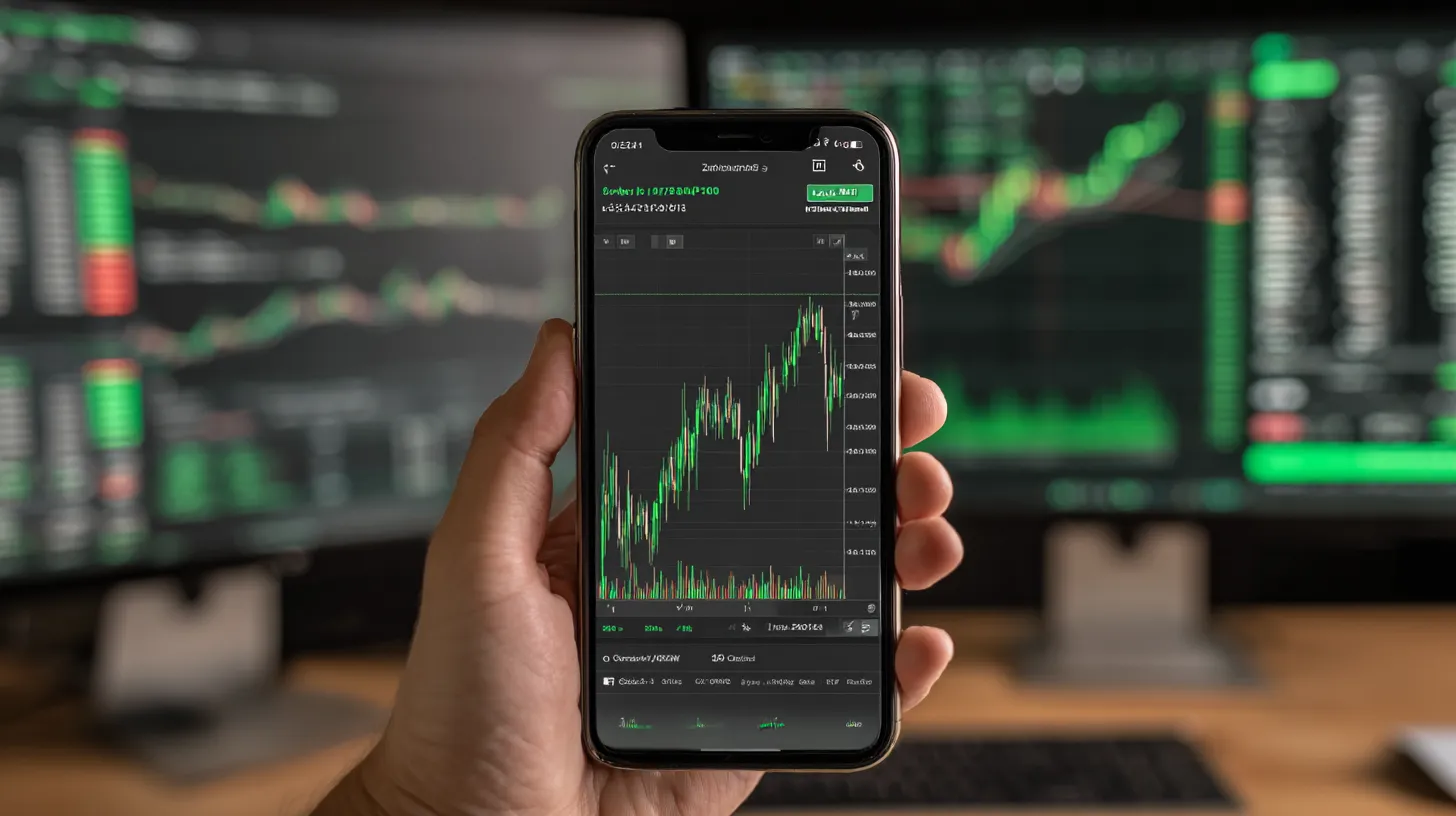
⚙️ How Brokers Deliver Zero
True zero-like pricing typically comes from:
Deep liquidity aggregation from multiple LPs
ECN/STP routing with minimal dealing-desk intervention
Transparent commission schedules per lot
Infrastructure near major data centers (NY4, LD4, TY3) to reduce latency
The result is a price feed that can print 0.0 on majors and stay tight during busy sessions.
🚨 Traps to Avoid
Marketing can be tricky. “From 0.0” doesn’t mean always 0.0. Commissions vary by entity, volume, and base currency. Some brokers use aggressive markups in “standard” accounts and claim zero in another tier, so compare like-for-like. Beware leverage restrictions, swap charges, and inactivity fees. When evaluating best zero spread forex brokers, read the fine print, test the feed at your trading hours, and watch for widening during news.
🛡️ Regulation and Safety First
A tight spread is worthless if withdrawals are a headache. Prioritize tier-1 or well-regarded regulators, strong client fund segregation, transparent disclosures, and a track record of uptime. The best zero spread forex brokers are the ones that pair raw pricing with sound oversight and operational resilience.
⏱️ Execution Speed and Slippage
Latency kills scalps. Look for brokers that publish execution stats, offer servers near your region, and support VPS or co-location. Evaluate both positive and negative slippage frequency. On news spikes, a raw account can still slip; your aim is a broker whose slippage distribution is balanced and whose fills remain fair under stress.
🧠 Who Benefits Most
Scalpers, high-frequency discretionary traders, EA users, and news traders gain the most. Swing and position traders still benefit—especially when pyramiding or scaling in/out—because every pip saved on entry improves R-multiples over time. If you’re cost-sensitive and execution-driven, comparing best zero spread forex brokers should be step one in your broker selection.
🧪 How to Test Like a Pro
Build a live micro test with your exact strategy. Trade during your real session windows for at least two weeks. Log:
Time-to-fill and partial fills
Positive vs. negative slippage rates
Average spread at entry/exit
Net cost per trade (spread + commission)
Platform stability and freeze events
A serious evaluation beats forum opinions. The best zero spread forex brokers will show their edge in your journal data.
🧭 Commission Structures Decoded
Some brokers charge per side, others round-turn. Convert everything to a standard unit (e.g., cost per 1.0 lot round-turn on EURUSD) to compare apples to apples. Don’t forget currency conversion if your account base differs from the quote currency. Volume tiers can lower commission—use that if your monthly lots are consistent.
Also read : Which is Best Forex Broker? Your Ultimate 2025 Guide to Smarter Trading
🧰 Platforms and Tools That Matter
MetaTrader (MT4/MT5) remains a staple for EAs and custom indicators, while cTrader and TradingView integrations are loved for depth-of-market and modern UX. VPS hosting close to broker servers is critical for latency-sensitive strategies. Many of the best zero spread forex brokers also support FIX API for institutional-style routing—handy if you build custom algos.
🌐 Liquidity and Pair Selection
Zero-like spreads appear most often on majors during London/NY overlap. Exotic pairs can still be expensive even on a raw account. Map your strategy to pairs where the broker’s liquidity is deepest. Watch the broker’s average spread tables and compare them to your own logs; if your results are consistently worse, dig into your execution path and timing.
🧭 Risk, Leverage, and Margin
Leverage can help or hurt. Zero spread doesn’t protect you from overleveraging. Define risk per trade, cap daily loss, and avoid widening your stop to “fight” slippage. Pair cost savings with disciplined risk controls—only then do the economics of raw pricing compound in your favor.
📚 A Playbook for Scalpers
Trade the most liquid hours
Avoid low-liquidity rollover minutes
Keep entries mechanical and repeatable
Use limit orders when your setup allows to reduce slippage
Standardize your lot sizes and adjust per volatility
Log everything in a journal and calculate cost-per-trade monthly
Consistency plus low friction is the formula—your edge is the combination.
🧾 Transparency Checklist
Before funding, ask support:
Average spread by pair and session, not just “from”
Typical slippage statistics
Actual server locations and VPS options
Commission per 1.0 lot round-turn in your base currency
Withdrawal processing times and fees
A credible team answers quickly and clearly. If not, move on.
🛠️ Building a Cost-First Strategy
Design entries around high-liquidity windows, choose pairs where your broker’s book is deepest, and predefine maximum acceptable cost per trade. If a setup exceeds your cost ceiling (spread widened, commission conversion unfavorable), skip it. Over 100 trades, that discipline is equivalent to boosting your win rate.

🚀 CTA: Take Control of Your Costs
You don’t need to overhaul your system to benefit. Start by cutting friction: open a raw account, test your strategy at real hours, and track net costs. If your backtest assumed razor-thin spreads, aligning live conditions to that assumption is non-negotiable. Ready to act? Compare, test, and execute—your trading deserves institutional-grade pricing without institutional red tape.
Also read : Can I Trade Bitcoin in India? Everything You Need to Know in 2025
🧭 Picking Criteria You Can Trust
When you shortlist, weigh these criteria equally:
Regulation and fund safety
Total cost (average spreads + commissions + slippage)
Execution speed and stability
Platform compatibility and VPS/FIX options
Transparent reporting and responsive support
The best zero spread forex brokers are the ones that remain consistent on all five pillars, not just one.
🧪 Case Study Mindset
Treat your broker like part of your system. If your equity curve changes after switching brokers, isolate whether cost or execution caused it. Repeat A/B testing quarterly—markets evolve, liquidity shifts, and your broker’s routing can change. Vigilance is a performance edge.
📈 Scaling with Confidence
As your volume grows, revisit commission tiers and negotiate if possible. Optimize symbol selection around where your fills are best. Reinvest saved costs into better infrastructure: VPS, custom risk dashboards, or monitoring tools. The compounding effect of lower friction becomes obvious as lot sizes increase.
🧭 Final Word on Consistency
A perfect “0.0 pip forever” doesn’t exist. But a consistently tight, fair, and transparent raw pricing model does—and it’s enough. Anchor your strategy on cost visibility, robust execution, and transparent policies. That’s how traders turn marginal edges into durable performance.
🌟 Recommended Alternative: EXNESS
If you want a globally recognized, execution-focused venue with raw pricing options, consider EXNESS as a practical alternative. EXNESS is known for competitive spreads that frequently print at or near 0.0 on major pairs during liquid hours, transparent commission structures, deep liquidity, and reliable platforms suited for both manual and algorithmic trading. Funding and withdrawals are streamlined, with multiple methods and fast processing, and support is responsive for traders who value uptime and clarity. For those comparing best zero spread forex brokers and seeking a cost-first environment with strong infrastructure, EXNESS is a compelling choice—try trading on Exness? click here