
🚀 The Evolution of the Digital Gold Rush
Crypto Trading 101 is no longer just about buying Bitcoin and hoping for the best; it is about navigating a sophisticated, high-speed financial ecosystem that has matured significantly by 2026. Gone are the days of the “Wild West” where random coins skyrocketed without reason. Today, the market is a complex machine driven by institutional capital, artificial intelligence algorithms, and global regulatory frameworks. To survive in this arena, you must shed the mindset of a gambler and adopt the discipline of a quantitative analyst. The digital asset market has transformed into the nervous system of modern finance, and understanding how to plug into this system is the most valuable skill of the decade. This guide is your passport to the new reality of crypto.
🌐 Understanding the 2026 Market Landscape
To truly grasp Crypto Trading 101, you must first acknowledge how the playing field has changed. In 2026, we are no longer just trading “currencies.” We are trading tokenized Real-World Assets (RWAs), decentralized infrastructure, and governance rights. The line between the stock market and the crypto market has blurred. Digital assets now represent ownership in real estate, art, and even corporate revenue streams, all recorded on immutable ledgers. The market operates 24/7/365, never sleeping, never closing. This continuous liquidity creates opportunities that traditional finance simply cannot match, but it also demands a level of vigilance and strategy that is unique to the blockchain world.
Also read : Best Crypto Broker for Beginners 2026: Start Safe, Trade Smart
⚙️ The Mechanics: Order Books vs. Liquidity Pools
A fundamental concept in Crypto Trading 101 is understanding where your price comes from. Unlike traditional markets that rely heavily on centralized order books, the crypto market is a hybrid. We still have Centralized Exchanges (CEXs) that operate like the New York Stock Exchange, matching buyers and sellers. However, the rise of Decentralized Finance (DeFi) has cemented the importance of Automated Market Makers (AMMs) and liquidity pools. In these systems, you are trading against a smart contract, not another human. Understanding the difference between “slippage” in a pool and “spread” in an order book is critical for preserving your profit margins in this dual-system economy.
🐋 The Whale Watch: Institutional Dominance
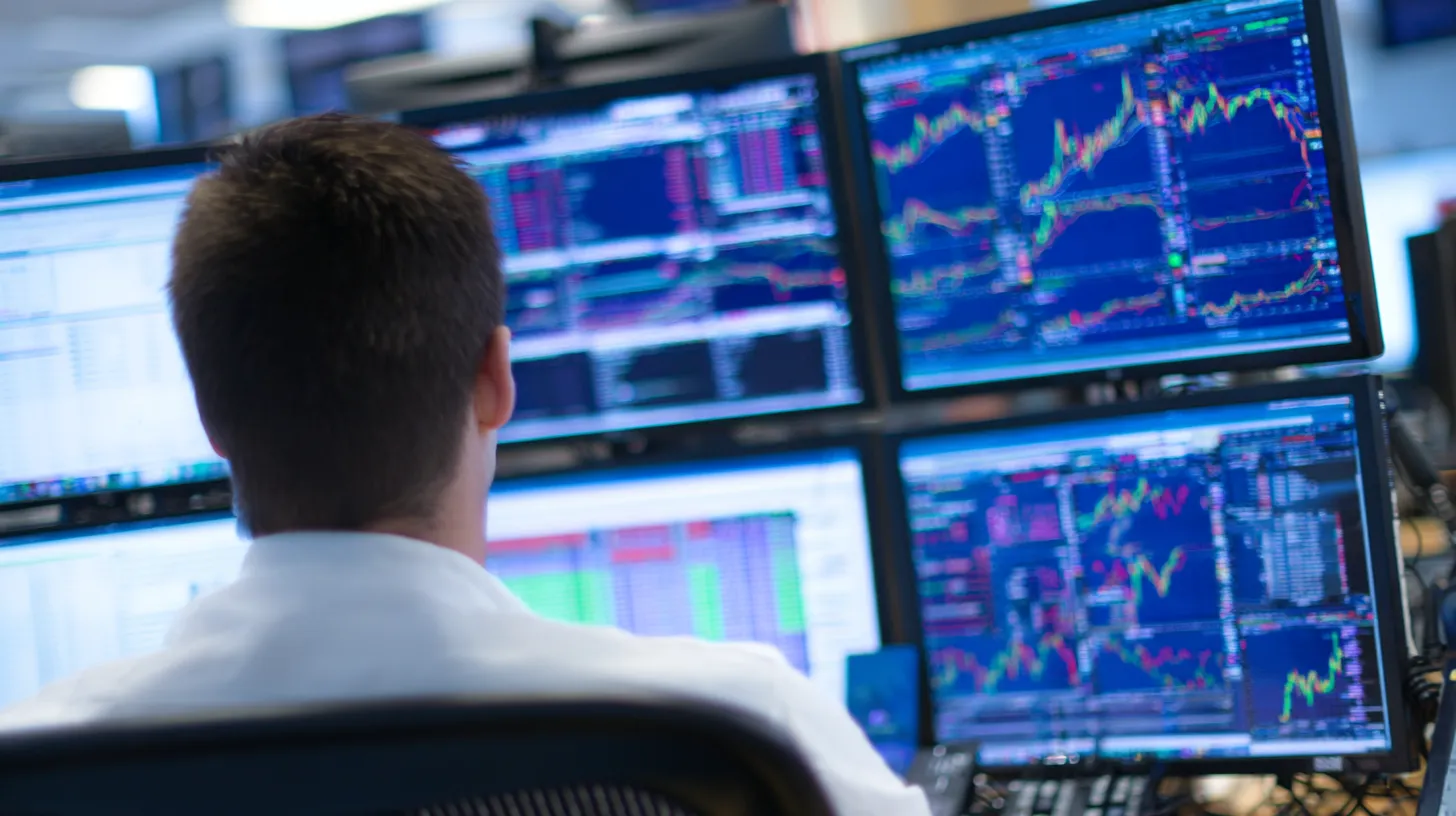
The most significant shift in Crypto Trading 101 over the last few years has been the arrival of the “Whales”—not just wealthy individuals, but massive ETFs, pension funds, and sovereign wealth funds. In 2026, retail traders do not move the market; institutions do. These giants use algorithmic execution to enter and exit positions without alerting the market. As a retail trader, your goal is not to beat these whales, but to track them. By analyzing “on-chain data”—publicly visible transactions on the blockchain—you can spot when a massive wallet is accumulating or dumping assets. Riding the coattails of institutional money is the safest way to navigate these volatile waters.
🕯️ Technical Analysis in the Age of AI
Charts remain the language of the market, but the dialect has changed. Modern Crypto Trading 101 requires you to integrate AI-assisted analysis. Traditional patterns like “Head and Shoulders” or “Flags” still apply, but they play out faster and with more noise due to high-frequency trading bots. In 2026, traders focus heavily on “Volume Profiles” and “Order Flow.” It is no longer enough to know where the price is; you must know where the orders are waiting. Support and resistance are not lines on a chart; they are zones of liquidity where thousands of limit orders are stacked, waiting to be triggered. Identifying these zones is the key to predicting price reversals.
📜 Fundamental Analysis: Beyond the Whitepaper
In the early days, you read a whitepaper and invested. Today, Crypto Trading 101 demands “Tokenomics” proficiency. You must analyze the supply schedule of a coin. Is it inflationary or deflationary? How many tokens are locked by the team? What is the “Burn Rate”? Furthermore, utility is king. In 2026, a project without a working product or active user base is worthless, regardless of the hype. You must look at “Total Value Locked” (TVL) and daily active user metrics. We have moved from a speculative phase to a utility phase. If the token doesn’t solve a problem or generate revenue, it does not belong in your portfolio.
🔐 The Security Imperative: Not Your Keys, Not Your Coins
This is the golden rule of Crypto Trading 101 that has stood the test of time. Despite better regulations, exchanges can still fail, and hackers have become more sophisticated, using AI to craft phishing attacks. Successful traders in 2026 employ a “hybrid custody” model. They keep their long-term holdings (HODL stack) in hardware cold storage, completely disconnected from the internet. Only the capital actively being used for day trading remains on exchanges. Understanding how to manage private keys, multi-signature wallets, and hardware devices is not an IT skill—it is a survival skill. One mistake in security can erase years of trading profits in seconds.
🎢 Volatility: The Double-Edged Sword
Volatility is the reason we are here. It is the engine of profit. However, Crypto Trading 101 teaches us that volatility is also the engine of destruction. In the stock market, a 2% move is a big day. In crypto, a 20% move is a Tuesday. To manage this, position sizing is everything. You cannot use the same leverage in crypto that you use in Forex. The “flash crashes”—where prices drop 10% in a minute due to cascading liquidations—are common. A professional trader anticipates these events. They do not fear volatility; they harness it by setting wider stop-losses and reducing their leverage, allowing the market to breathe without shaking them out of a winning position.
🧠 Trading Psychology: The FOMO Trap
The psychology of the 2026 market is faster and more intense than ever before. Social media feeds and 24-hour news cycles create a constant state of “Fear Of Missing Out” (FOMO). Crypto Trading 101 emphasizes emotional discipline. When you see a green candle shooting up 50%, your brain screams “Buy!” but your strategy should scream “Wait!” Chasing pumps is the fastest way to become “exit liquidity” for smart traders. You must develop the patience to wait for a pullback. The market will always give you a second chance entry; it rarely gives you a refund for an impulsive mistake.
🌍 The Macro-Economic Connection
Crypto no longer exists in a vacuum. It is heavily correlated with global liquidity. When central banks print money, crypto rises. When they tighten rates, crypto falls. A holistic Crypto Trading 101 approach involves watching the US Dollar Index (DXY) and bond yields. Bitcoin, in particular, has become a macro-asset, acting as a liquidity sponge. If you are trading crypto without looking at the S&P 500 or the decisions of the Federal Reserve, you are trading blind. The correlation between traditional finance and digital assets is the bridge you must cross to understand the broader market direction.
⚖️ Regulation and Compliance
The days of the shadow economy are over. In 2026, Know Your Customer (KYC) and Anti-Money Laundering (AML) laws are strict globally. Crypto Trading 101 now includes understanding the regulatory environment of the assets you trade. Some tokens are classified as securities, others as commodities. Regulatory news can tank a price instantly. Traders must be aware of which jurisdictions are crypto-friendly and which are hostile. A lawsuit from the SEC or a ban from a major nation is a fundamental catalyst that overrides all technical analysis. Staying legally compliant and aware of regulatory headwinds is essential for long-term sustainability.
🔄 DeFi and Yield Farming: Earning While You Wait
One of the unique advantages of the crypto market is the ability to earn passive income on your assets while you hold them. This is often called “Yield Farming” or “Staking.” In our Crypto Trading 101 curriculum, this is the equivalent of dividends, but on steroids. By providing liquidity to a Decentralized Exchange or staking your tokens to secure a Proof-of-Stake network, you earn rewards. This can act as a buffer during bear markets. Even if the price of the asset drops, your accumulation of more tokens through yield can offset the loss. However, this comes with “Smart Contract Risk,” so due diligence is mandatory.
Also read : best crypto brokers: 2025 Guide to Low Fees, Fast Execution, and Safe Crypto Trading
🤖 The Rise of Algorithmic Trading
Manual clicking is becoming rare for high-frequency strategies. In 2026, many retail traders use “Grid Bots” or “DCA Bots” to automate their execution. These tools execute the principles of Crypto Trading 101 with robotic precision, removing emotion from the equation. A grid bot, for example, buys every time the price drops slightly and sells every time it rises slightly, profiting from the “chop” of a sideways market. While you don’t need to be a coder, understanding how to configure these automated tools gives you a significant edge, allowing you to make money even while you sleep.
🤝 Why EXNESS is Your Gateway to Crypto
When trading the volatility of digital assets, you need a partner that offers stability, security, and speed. EXNESS has positioned itself as a premier venue for crypto CFD trading. Unlike traditional crypto exchanges where you face hacking risks and complex wallet management, trading crypto CFDs on Exness allows you to speculate on price movements (Long or Short) without the security headaches of holding the actual coins. Exness offers incredibly competitive spreads on major pairs like BTC/USD and ETH/USD, and their instant execution ensures you catch the move exactly when it happens. Furthermore, their reliable withdrawal system and 24/7 support make them the trusted choice for traders who want to apply professional risk management to the crypto market.
try trading with Exness? Click here.
🏁 Conclusion: The Future is Digital
We are witnessing the greatest transfer of wealth in human history, moving from analog to digital. Mastering Crypto Trading 101 is your ticket to participating in this revolution. It requires a blend of technical skill, fundamental understanding, and iron-clad emotional control. The market of 2026 is ruthless to the unprepared but incredibly generous to the disciplined. By respecting the volatility, understanding the technology, and managing your risk, you can navigate this digital frontier. The blockchain is rewriting the rules of money; make sure you are fluent in the language of the future.