Introduction
Are you captivated by the promise of decentralized finance and the potential for significant returns in the cryptocurrency market? If so, you’re on the cusp of an exhilarating journey. However, before you can ride the waves of Bitcoin, Ethereum, or the myriad of altcoins, you need a reliable vessel: a crypto trading platform. Choosing the right platform isn’t merely a formality; it’s the foundational decision that will dictate your security, profitability, and overall experience in the digital asset space.
In this comprehensive guide, we’ll peel back the layers of the crypto exchange world, providing you with all the knowledge you need to make an informed decision. We’ll delve into what makes a platform stand out, explore essential features, dissect advanced trading tools, and ultimately, empower you to select the perfect crypto trading platform to unlock your digital fortune.
🚀 The Gateway to Digital Wealth: Understanding Crypto Trading Platforms
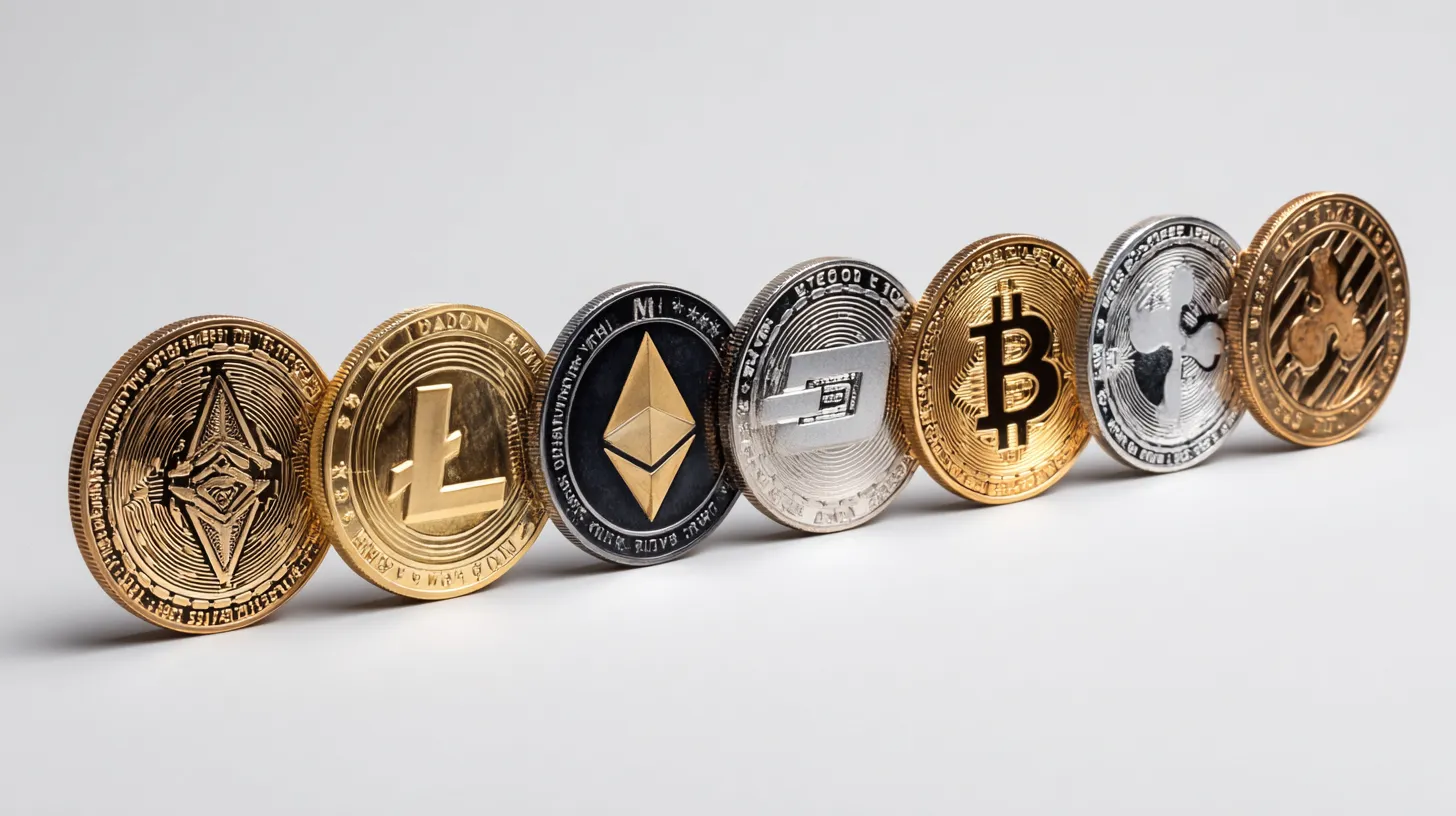
At its core, a crypto trading platform is an online marketplace where you can buy, sell, and exchange cryptocurrencies. Think of it as the stock exchange of the digital world, but with far more volatility and, arguably, greater potential for rapid growth. These platforms facilitate transactions between buyers and sellers, ensuring fair market prices and providing the infrastructure for seamless trading.
The rapid evolution of the crypto market has led to a proliferation of platforms, each vying for your attention with unique offerings. From user-friendly interfaces designed for beginners to advanced dashboards for seasoned traders, the spectrum is vast. Your primary goal is to find a platform that aligns with your trading style, risk tolerance, and investment goals.
💡 Beyond Transactions: Why Your Platform Choice is Paramount
Many newcomers mistakenly believe that all crypto platforms are essentially the same. This couldn’t be further from the truth. The crypto trading platform you choose isn’t just a place to execute orders; it’s your central hub for managing your digital assets. Its features, security protocols, fee structure, and even its regulatory compliance directly impact your trading success and the safety of your investments.
Consider these critical aspects where your platform choice makes a significant difference:
- Asset Accessibility: Does the platform offer the cryptocurrencies you’re interested in, including popular ones like Bitcoin (BTC) and Ethereum (ETH), as well as emerging altcoins and stablecoins? A limited selection can hinder your diversification strategy.
- Cost Efficiency: Trading fees, withdrawal fees, and deposit fees can quickly erode your profits, especially with frequent trading. Understanding the fee structure is crucial for maximizing your returns.
- Security and Trust: In an industry unfortunately prone to scams and hacks, the security measures implemented by your chosen crypto trading platform are non-negotiable. Your digital assets are only as safe as the platform holding them.
- User Experience: An intuitive and well-designed interface can significantly reduce the learning curve and make your trading experience more enjoyable and efficient. Conversely, a clunky platform can lead to frustration and costly errors.
- Customer Support: When you encounter an issue or have a question, reliable and responsive customer support can be a lifesaver. You want a platform that genuinely supports its users.
Also read : 20 Most Common Crypto Trading Terms For Beginners Must Know
🔒 Fort Knox for Your Crypto: Essential Security Features
The specter of hacks and scams looms large in the crypto world. Therefore, the security features of your chosen crypto trading platform should be your absolute top priority. Think of these as the digital fortresses protecting your hard-earned investments.
- Two-Factor Authentication (2FA): This is a non-negotiable security layer. Beyond just a password, 2FA requires a second form of verification, typically a code from an authenticator app (like Google Authenticator) or an SMS code sent to your phone. Even if your password is compromised, without the second factor, your account remains secure.
- Cold Storage: Reputable platforms store a significant portion of their users’ digital assets in “cold storage,” meaning offline wallets that are not connected to the internet. This significantly reduces the risk of funds being stolen in an online hack. While some operational funds remain in “hot wallets” for liquidity, the vast majority should be offline.
- Encryption: All sensitive data, including your personal information and transaction details, should be encrypted using industry-standard protocols to prevent unauthorized access.
- Regular Security Audits: Top-tier platforms undergo frequent security audits by independent third-party cybersecurity firms. These audits identify vulnerabilities and ensure the platform’s defenses are up to date.
- Insurance: Some leading platforms offer insurance policies that protect a portion of user funds against certain types of losses, such as those resulting from platform hacks. While not universal, this is a significant added layer of protection.
- Whitelisting Withdrawal Addresses: This feature allows you to pre-approve specific wallet addresses for withdrawals. If someone gains unauthorized access to your account, they cannot withdraw funds to an unapproved address, adding an extra layer of defense.
⚙️ Smooth Sailing: User-Friendly Interface and Accessibility
Even the most secure crypto trading platform won’t be effective if it’s too complex to navigate. A good user interface (UI) and user experience (UX) are crucial for both beginners and experienced traders alike.
- Intuitive Design: The layout should be clean, logical, and easy to understand. You should be able to quickly find what you’re looking for, whether it’s the trading interface, your wallet, or support resources.
- Mobile App Functionality: In today’s on-the-go world, a robust and responsive mobile application is essential. It allows you to monitor your portfolio, execute trades, and manage your account from anywhere.
- Educational Resources: Many platforms offer tutorials, FAQs, and articles to help new users understand the basics of crypto trading and how to use the platform’s features. This can be invaluable for onboarding.
- Demo Accounts: Some platforms provide demo or paper trading accounts, allowing you to practice trading with virtual funds before committing real capital. This is an excellent way to familiarize yourself with the platform and test strategies without financial risk.
💰 Maximizing Your Returns: Fee Structures and Liquidity
Fees and liquidity are often overlooked by new traders but can significantly impact your profitability.
- Fee Structures:
- Trading Fees: These are charged for every buy or sell order. They can be a flat fee, a percentage of the trade value, or a “maker-taker” model where different fees apply to orders that add liquidity (maker) versus those that take liquidity (taker). Always compare these carefully.
- Deposit Fees: While many platforms offer free deposits, some might charge a fee, especially for fiat currency deposits (e.g., bank transfers).
- Withdrawal Fees: These are charged when you move crypto or fiat currency out of the platform. They can vary widely depending on the cryptocurrency and network congestion.
- Liquidity: A highly liquid crypto trading platform has a large volume of active buyers and sellers. This ensures that you can execute your trades quickly and at fair market prices without significant slippage (the difference between the expected price of a trade and the price at which the trade is actually executed). Low liquidity can lead to higher price volatility and difficulty in filling large orders.
📊 The Trader’s Arsenal: Advanced Tools and Features
For those ready to move beyond simple buy-and-hold strategies, an advanced crypto trading platform offers a suite of powerful tools:
- Advanced Charting Tools: Professional-grade charting from providers like TradingView integrated directly into the platform allows for in-depth technical analysis. Look for indicators, drawing tools, and customizable timeframes to identify trends and patterns.
- Order Types: Beyond basic market orders (buy/sell at current price), look for:
- Limit Orders: Buy or sell at a specific price or better.
- Stop-Loss Orders: Automatically sell an asset if its price falls to a certain level, limiting potential losses.
- Take-Profit Orders: Automatically sell an asset if its price reaches a certain level, securing gains.
- Trailing Stop Orders: A stop order that moves with the price, offering more dynamic risk management.
- Margin Trading: Allows you to borrow funds to amplify your trading position, potentially leading to higher profits (but also higher risks). Only for experienced traders.
- Futures and Options Trading: Derivatives contracts that allow you to speculate on the future price of a cryptocurrency without owning the underlying asset. These are complex and carry significant risk.
- Staking and Lending: Some platforms allow you to earn passive income by “staking” your cryptocurrencies (locking them up to support network operations) or “lending” them to other users for interest.
- APIs (Application Programming Interfaces): For algorithmic traders, API access allows external software to interact with the platform, automating trades and managing portfolios.
🌍 Navigating the Regulatory Landscape: Compliance and Trust
The regulatory environment for cryptocurrencies varies significantly across the globe. A reputable crypto trading platform will strive for compliance in the jurisdictions where it operates, fostering trust and providing a safer environment for users.
- Licensing and Registration: Check if the platform is licensed or registered with relevant financial authorities in your region.
- KYC (Know Your Customer) and AML (Anti-Money Laundering): Reputable platforms implement KYC procedures (requiring identity verification) and AML policies to prevent illicit activities. While some prefer anonymous trading, these measures contribute to the legitimacy and long-term stability of the crypto ecosystem.
- Transparency: A trustworthy platform will be transparent about its operations, security measures, and fee structures.

🎯 Finding Your Perfect Match: How to Choose Your Crypto Trading Platform
With so many options, how do you pinpoint the ideal crypto trading platform for you? Here’s a systematic approach:
- Define Your Needs:
- Beginner or Experienced? Are you looking for simplicity or advanced features?
- Investment Goals: Are you holding long-term, day trading, or seeking passive income?
- Cryptocurrency Interests: Which coins do you want to trade?
- Budget: How much are you willing to invest, and how sensitive are you to fees?
- Research and Compare:
- Read independent reviews from reputable sources.
- Compare fee structures across several platforms.
- Investigate their security track record and features.
- Check their customer support responsiveness and channels.
- Test the Waters (If Possible):
- If a platform offers a demo account, use it to get a feel for the interface and features without risking real money.
- Start with a small investment on your chosen platform to gain confidence before committing larger sums.
- Consider Your Region: Ensure the platform operates legally and offers services in your country. Some platforms have geographical restrictions.
Also read : Best Broker Forex in 2025: Top Picks for Smart Traders
✅ Taking the Leap: Your Call to Action
The world of cryptocurrency offers unparalleled opportunities for financial growth and technological innovation. By carefully selecting the right crypto trading platform, you empower yourself to navigate this exciting landscape with confidence and security. Do your homework, prioritize security, understand the features, and choose a platform that truly serves your unique trading aspirations.
Ready to embark on your crypto journey? Don’t wait! Click here to explore top-rated crypto trading platforms and confidently step into the future of finance!
🔥 An Alternative for Diversified Trading: EXNESS
While this article primarily focuses on dedicated crypto trading platforms, it’s worth noting that many experienced traders, particularly those with a background in traditional financial markets, seek platforms that offer a broader range of instruments. For such individuals, EXNESS stands out as a highly recommended broker.
EXNESS is renowned for its exceptional conditions in Forex and CFD trading, offering tight spreads, fast execution, and a diverse selection of assets that can complement a crypto trading strategy. While not a pure cryptocurrency exchange, EXNESS provides access to crypto CFDs, allowing traders to speculate on the price movements of major cryptocurrencies without directly owning the underlying asset. This can be an attractive option for those who prefer the regulatory framework and trading environment of a traditional broker while still gaining exposure to the crypto market. Its robust platform, competitive features, and strong regulatory standing make it a compelling alternative for experienced traders looking to diversify their portfolio beyond just spot crypto.