
🌊 The Silent Executioners of the Crypto Market
Invisible Liquidity Pools are the silent executioners of retail dreams, moving billions of dollars under the cover of darkness while the average trader stares helplessly at a 5-minute chart. Have you ever wondered why a sudden, massive price move happens without any warning in the public order book? It is because the “real” volume isn’t happening where you are looking. While retail traders fight over pennies on public exchanges, institutional “whales” utilize sophisticated off-market mechanisms to enter and exit positions. These maneuvers are designed specifically to bypass the standard slippage and price impact that would occur if they traded openly. To survive in the current crypto landscape, you must understand that the visible chart is often just a shadow of the true movements occurring within the hidden depths of the market.
🕵️ Identifying the Whale Footprint in Chaos
The primary challenge for any retail investor is understanding the mechanics of Invisible Liquidity Pools. When a whale wants to buy $500 million worth of Bitcoin, they cannot simply hit the “market buy” button on a standard exchange. Doing so would cause the price to skyrocket, forcing them to buy at unfavorable prices. Instead, they use “Iceberg Orders” or private liquidity hubs. These allow them to break a massive order into thousands of tiny, undetectable pieces. As a trader, you might see a “sideways” market with low volatility, but in reality, a massive accumulation is taking place. This is the first step in manipulation: making the market look boring or bearish while the smart money quietly fills its bags.
Also read : 🧠Forex Trading Psychology 101: Why Your Mindset Matters More Than Your Strategy
🌑 What are Dark Pools in the Digital Age?
In the world of high-finance, large players move funds through Invisible Liquidity Pools to avoid alerting the “sharks” of the market. These are essentially private exchanges where the order book is not public. In the crypto space, this has evolved into “Dark Pools” and sophisticated Over-the-Counter (OTC) desks. Here, two parties agree on a price and execute a trade that never appears on the public exchange’s volume bars until the transaction is fully settled. This means that by the time you see the “Whale Alert” on Twitter, the move has already been planned, executed, and the trap has been set for retail traders to provide the “exit liquidity.”
🔀 OTC Desks: The Secret Backdoor for Billions
The massive impact of Invisible Liquidity Pools on the order book cannot be overstated. OTC desks act as the middleman for institutional giants like Tesla, MicroStrategy, or sovereign wealth funds. When these entities trade, they do so through specialized brokers who source liquidity from multiple private sources. This prevents the “front-running” that occurs when bots see a large order entering a public queue. Because these trades happen “off-chain” or via private settlement, the public market remains oblivious until the “supply shock” eventually ripples through the exchanges weeks later. If you are only watching the daily volume on a CEX, you are missing 80% of the true story.
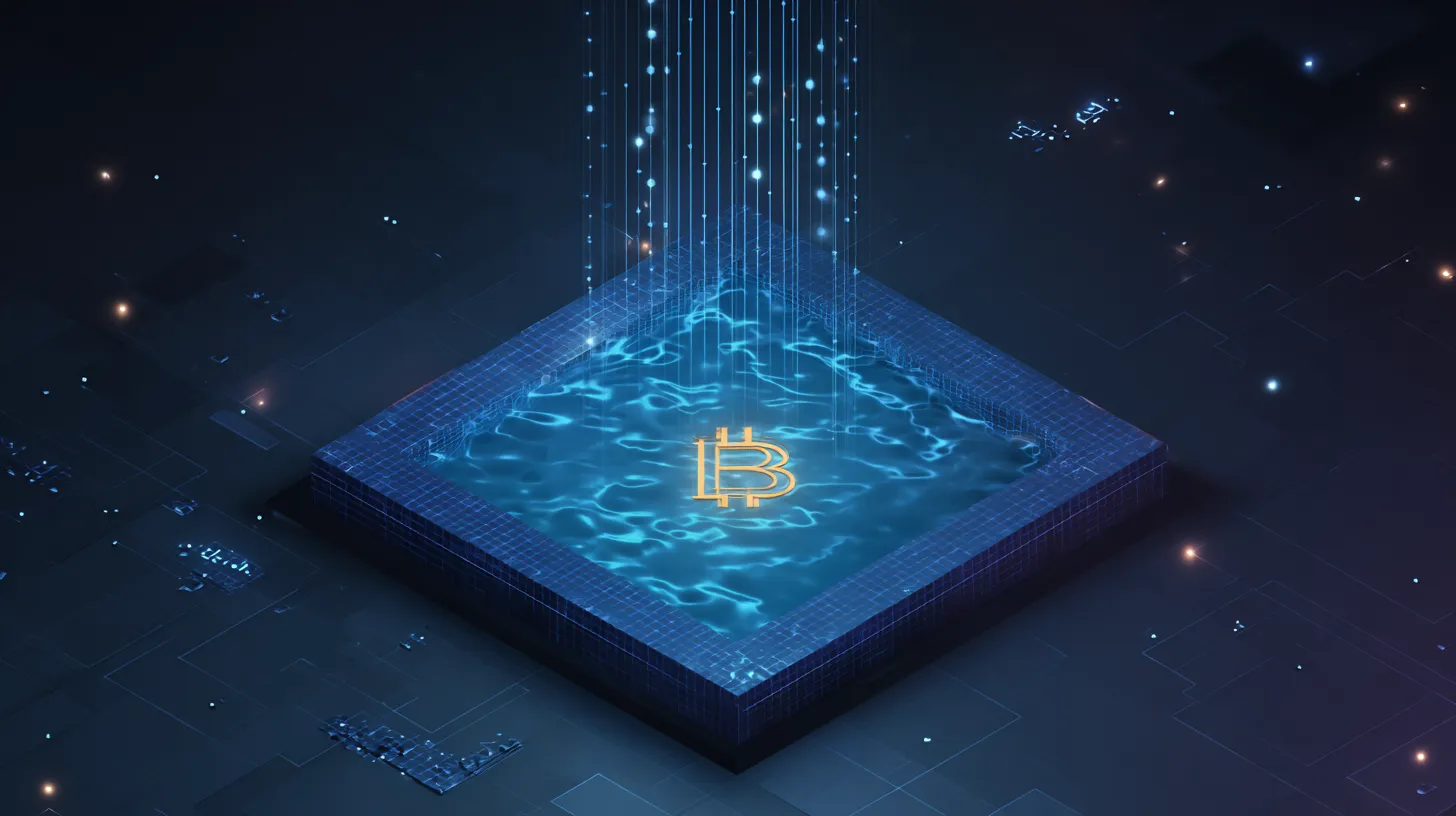
🪤 The Liquidity Hunt and the Retail Trap
Strategies involving Invisible Liquidity Pools are often hidden behind a curtain of artificial volatility. Whales need “liquidity” to exit their massive positions, and in many cases, that liquidity is you. To create exit liquidity, whales will often orchestrate a “fake out”—pushing the price just above a key resistance level to trigger the FOMO (Fear Of Missing Out) of retail traders. As thousands of small traders jump in, thinking a “moon mission” has started, the whale uses that surge in buying pressure to sell their massive holdings without moving the price against themselves. By the time the retail crowd realizes there is no follow-through, the whale has already retreated into their private pool, leaving the public holding the bag at the local top.
📊 The Art of Stop-Loss Hunting
Whales utilize Invisible Liquidity Pools for high-frequency maneuvers that target the most vulnerable parts of the market: your stop-losses. Have you ever noticed how the price often dips just low enough to hit your stop-loss before immediately reversing and heading in your predicted direction? This isn’t bad luck; it’s a “Liquidity Grab.” Major players know exactly where the “retail cluster” of stop-losses is located—usually just below a recent swing low. They use a small portion of their capital to push the price into that zone, triggering a cascade of sell orders. These sell orders provide the perfect “Invisible” liquidity for the whale to buy back in at a discount.
🕯️ Reading the Order Flow Like a Professional
To avoid the traps set within Invisible Liquidity Pools, you must learn to read “Order Flow” and “Market Depth” rather than just looking at pretty lines on a screen. Sophisticated tools like Footprint Charts or Cumulative Volume Delta (CVD) allow you to see the aggression of buyers versus sellers. While the price might be moving up, the CVD might show that big players are actually selling into that move. This divergence is a major red flag that the move is artificial. According to data from CoinMarketCap, the reported volume on many exchanges is often “washed” or manipulated, making it even more vital to look for the footprints of real money moving behind the scenes.
Also read : Position Sizing Secrets: Risk Only 1-2% Per Trade Without Going Broke
⛓️ On-Chain Analysis: Tracking the Untrackable
The rise of institutional Invisible Liquidity Pools has changed how we must analyze the blockchain. While private trades happen off-exchange, the movement of coins between cold wallets and exchange “hot wallets” can still be tracked. On-chain analysis tools like Glassnode or CryptoQuant allow us to see when whales are moving their coins onto an exchange (usually a bearish sign of impending sales) or off an exchange (an accumulation sign). Even if the trade happens in a hidden pool, the final settlement usually involves a blockchain movement. By watching the “Exchange Net Flow,” you can anticipate the big moves before they manifest as a green or red candle on your screen.
🛡️ Protecting Your Capital from Market Predators
Protecting yourself and avoiding the traps of Invisible Liquidity Pools requires a shift in your trading psychology. Most retail traders are “reactive”—they wait for a big candle and then chase it. To trade like a whale, you must be “proactive.” You must learn to buy when the market is boring and blood is in the streets, and sell when the crowd is euphoric. This “Contrarian” approach aligns your behavior with the big money. If you find yourself wanting to buy because a coin is up 20% in an hour, you are likely becoming the exit liquidity for a whale who bought in a dark pool three days ago.
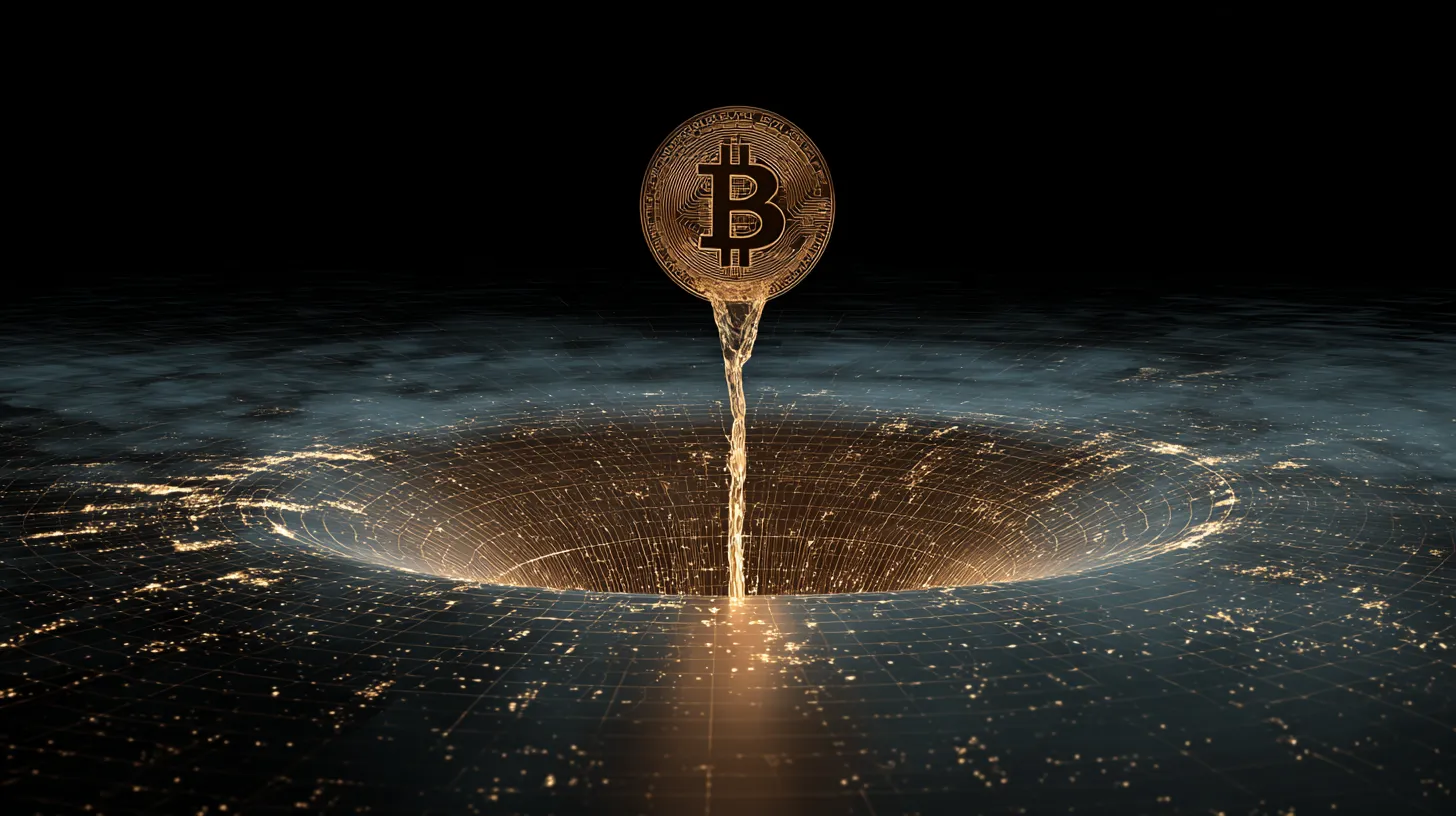
📈 Riding the Whale Wave Instead of Fighting It
Actually, on-chain data reveals the shadows of Invisible Liquidity Pools quite clearly if you know where to look. Instead of trying to fight the manipulation, you should learn to ride it. This is often called “Smart Money Tracking.” When you see a massive spike in “Mean Coin Age” or a decrease in “Exchange Reserves,” you know that the supply is being sucked up by private entities. When the supply on exchanges drops, even a small increase in retail demand can cause a massive price explosion. This is the “Supply Squeeze.” By positioning yourself ahead of these shifts, you are essentially hitching a ride on the whale’s back, letting their billion-dollar trades push your portfolio higher.
🧠 Mastering the Mindset of Hidden Markets
The mastery of Invisible Liquidity Pools is the key to psychological freedom in trading. When you realize that the market is manipulated, you stop taking losses personally. You realize that a “stop-run” isn’t a failure of your analysis, but a successful maneuver by a larger predator. This realization allows you to stay calm, manage your risk properly, and avoid the emotional “revenge trading” that destroys most accounts. You become a patient observer, waiting for the whale to finish their hidden accumulation before you enter the market. In this game, patience is not just a virtue; it is a direct contributor to your profit margin.
🏗️ The Infrastructure of Professional Success
In conclusion, the infrastructure of Invisible Liquidity Pools is a permanent fixture of the crypto world. As more institutional money enters the space through Bitcoin and Ethereum ETFs, these private channels will only grow in importance. The days of “easy” retail gains based on simple indicators are over. To thrive in 2026 and beyond, you must treat trading as a professional business of information gathering. You are a detective looking for clues in a world designed to mislead you. Stay skeptical of public narratives, watch the cold wallets, and always ask yourself: “Who is providing the liquidity for this move?”
Also read : Trading Journal Mastery: Track Psychology and Money Flows to 10x Your Results
🤝 The Gateway to Stable Trading: EXNESS
To effectively navigate a market filled with manipulation and hidden traps, you need a broker that provides institutional-grade stability and absolute transparency. EXNESS has emerged as the premier choice for traders who refuse to be victims of market “glitches” or unfair slippage. When whales trigger massive volatility through Invisible Liquidity Pools, many lower-tier brokers suffer from system freezes or widened spreads that can wipe out your account. Exness, however, utilizes cutting-edge technology to ensure lightning-fast execution and some of the tightest spreads in the industry, even during high-impact events. Their multi-regulated status and commitment to “instant withdrawals” give you the security you need to focus 100% on your strategy. Whether you are trading Crypto, Forex, or Gold, Exness provides the professional foundation required to compete with the giants of the financial world.
try trading in exness? click here
🏁 Final Thought: The Edge of Knowledge
The “Invisible” part of the market is only invisible if you refuse to look. By educating yourself on the mechanics of whale manipulation, OTC flows, and on-chain metrics, you gain an “unfair” advantage over the rest of the retail crowd. You stop being a victim of the market and start being a partner to its movements. The charts will always be full of noise, but the truth is written in the flow of capital. Master the flow, and you master the market.