🔥 Start Here
Best Crypto Broker for Beginners 2026 is the phrase that anchors this guide because the fastest wins for newcomers come from choosing a regulated, simple, and fairly priced platform rather than chasing coins blindly.
A strong first pick minimizes friction with clear fees, clean design, and robust security policies, so onboarding and early trades feel stable instead of stressful.
Platforms that publish fee structures, offer education, and provide responsive support consistently rank best for first-time traders across independent reviews in 2025, a trend expected to hold into 2026.
🧭 What “Best” Really Means
“Best” for beginners means clear custody rules, straightforward pricing, and easy navigation—three pillars that reduce errors and cognitive load in the first 90 days of trading.
It also means regulation where possible, because guardrails like leverage caps, segregated funds, and negative balance protection limit catastrophic mistakes common in volatile crypto markets.
Beginner-focused design plus education shortens the jump from first deposit to confident execution, which is why mainstream outlets consistently point to beginner-oriented platforms in their top picks.
🧩 Broker vs Exchange (Know the Difference)
Exchanges match buyers and sellers on an order book, while brokers aggregate upstream pricing and quote clients directly—two very different execution models with distinct fee logic and user experience.
Brokers often monetize via spreads and make interfaces simpler with single‑click flows, while exchanges charge per‑trade fees and expose more granular controls for active traders.
Some brokerages provide crypto via CFDs rather than direct coin custody, emphasizing simplicity and price exposure without on‑chain transfers or wallet management for beginners.
Also read : Best Forex Brokers 2025: Data-Driven Picks, Low Costs, and Safer Trading
🛡️ Why Regulation Matters
CySEC’s MiFID‑aligned framework mandates negative balance protection and standardized retail leverage caps—including 1:2 on cryptocurrencies—designed to protect less experienced traders from outsized losses.
EU‑style rules also require segregating client funds and ongoing transparency, pushing brokers toward stronger operational discipline and regular reporting.
While different jurisdictions vary in strictness—FCA is widely seen as tougher—both FCA and CySEC frameworks benchmark crucial safety practices for retail traders.

💸 Fees: The Silent Performance Killer
Exchanges typically use maker/taker schedules, while brokers embed spread markups or per‑trade commissions—understanding which applies prevents surprise costs.
Comparisons in mainstream reviews frequently highlight platforms with transparent fee pages and intuitive cost summaries, traits that are vital for beginners managing small initial deposits.
Choosing a platform with clear fees enables accurate break‑even calculations and reduces overtrading urges that can arise from misreading cost structures.
🏁 Quick Shortlist for Starters
For pure beginner friendliness, large consumer guides consistently place Coinbase as an entry‑level choice because of its UI clarity, education, and accessible fee explanations.
Broader lists that span brokers and exchanges also surface options like Robinhood and Webull for simplicity, though availability, products, and crypto coverage vary by region.
When evaluating any candidate, cross‑check platform design, education quality, and regulatory footprint before committing beyond a minimal test deposit.
🧪 Test Before Trust
Open a demo or start with the smallest deposit permitted, then simulate a full workflow: deposit, place a limit order, set a stop, and withdraw—friction here predicts future pain.
Confirm customer support response times during a quiet market hour and a volatile period, since execution or funding questions often arrive amid fast price moves.
Read help‑center pages on instruments and trading hours to ensure crypto access is truly 24/7 or to note any scheduled breaks or maintenance windows.
Also read : Best Regulated Trading Brokers for Forex and Crypto in 2025: Trade Smart, Trade Safe
🧠 Education and Tools
Beginner‑friendly ecosystems that bundle explainers, glossaries, and step‑by‑step walkthroughs speed up competence and reduce fear of the interface.
If copy trading or social insights are offered, they can help newcomers observe structured decision‑making—but they are not substitutes for risk rules and position sizing.
Alerts, simple chart presets, and risk templates are better early‑stage aids than complex multi‑leg orders that can confuse new traders.
⚙️ How Brokers Deliver Crypto Exposure
Many brokers deliver crypto via CFDs, allowing speculation on price direction without self‑custody or on‑chain operations, which can simplify the first trading months.
This model often includes consistent trading availability with documented maintenance windows, so beginners know when markets may be briefly unavailable.
Check each broker’s instrument list and trading hours page to verify symbol coverage and weekend schedules before planning strategies.
🧱 Risk Rules for Beginners
Set fixed maximum risk per trade and use hard stops; leverage caps under regulated regimes exist to limit account blow‑ups during volatility spikes.
Favor liquid, top‑cap assets early; mainstream reviews often rank platforms by how well they present and support major coins with clear fee and order interfaces.
Avoid overtrading small moves; fees compound rapidly and distort P&L if entries and exits are too frequent at low average edge.
🧭 Mid‑Article Deep Dive: Decision Framework
Start with custody: decide whether direct ownership on an exchange or price exposure via a broker’s CFDs better matches current goals, tech comfort, and time available for wallet management.
Evaluate regulation next: confirm whether the entity serving the account operates under recognized authorities with negative balance protection and client‑fund segregation.
Model total cost: simulate typical trade sizes under the platform’s spread or maker/taker table to estimate realistic breakeven thresholds and avoid overpaying for convenience.
Scrutinize platform UX: confirm that placing stops and limits is intuitive, that fee and order status are clearly legible, and that mobile and web parity is acceptable for daily use.
Inspect hours and instruments: match desired symbols (BTC, ETH, SOL, etc.) with documented trading windows, including any weekly breaks and maintenance times.
Test support and education: verify response channels and scan the help center for instrument definitions, fee disclosures, and platform tutorials relevant to first steps.
🧲 Keyword Integration in Context
Best Crypto Broker for Beginners 2026 aligns with readers seeking simpler onboarding, vetted safety features, and unambiguous costs on their first trades.
Embedding Best Crypto Broker for Beginners 2026 in sections about regulation and fees improves topical coherence while preserving natural language.
Pairing Best Crypto Broker for Beginners 2026 with synonyms like “starter crypto platforms” and “regulated crypto brokers” broadens coverage of adjacent search intents.
🧰 Platform Features that Matter
Clean order tickets with pre‑trade margin and fee previews prevent costly misclicks and confusion over fills during volatile moves.
Watchlists with real‑time pricing and simple alerting keeps focus on a shortlist of symbols rather than dozens of distractions.
Beginner portals that document instruments and breaks make scheduling trades around maintenance windows straightforward and stress‑free.
🧭 Regional Availability and Compliance
Availability, products, and leverage vary by region, so always confirm the specific entity serving the account and read its product disclosures.
EU‑regulated entities tend to enforce tighter leverage and standardized protections, while other jurisdictions may permit higher leverage with different guardrails.
Cross‑check that the published protections apply to the exact account type and location, not just the brand overall.
🪙 What If Copy Trading Appeals?
Copy trading can accelerate learning by observing entry logic and risk sizing, but it works best when paired with written trading plans and capped drawdown limits.
Use it as scaffolding rather than a shortcut; build understanding of fees, slippage, and stop placement to avoid copying riskier behaviors blindly.
Track copied strategies across varying volatility regimes to ensure performance isn’t narrowly optimized to a single condition.
Also read : Master Forex Safely: How a Forex Demo Account Can Sharpen Your Trading Edge
🔍 Where Exness Fits
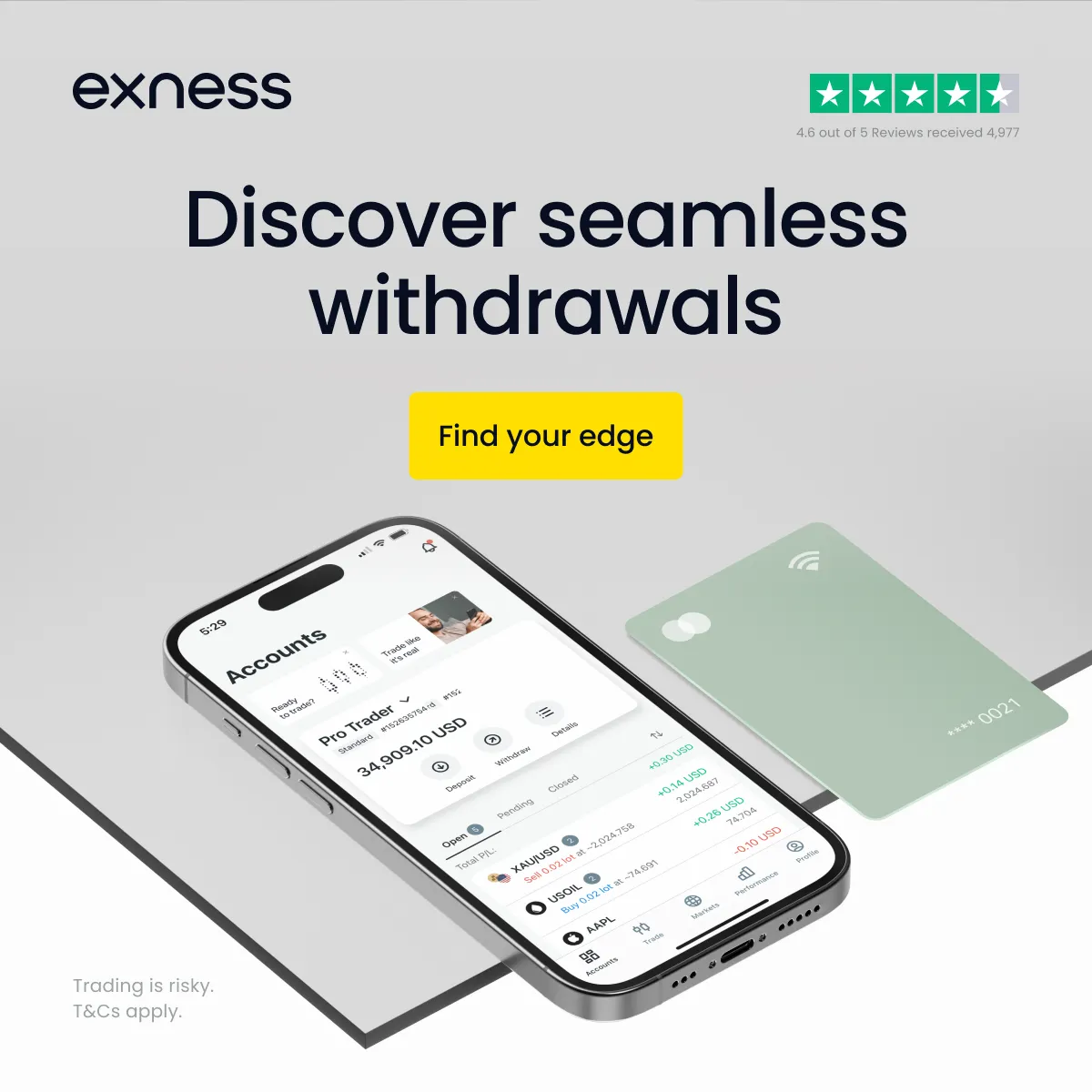
Exness provides crypto exposure via CFDs with 24/7 availability on most cryptocurrencies, aside from documented weekly breaks and maintenance windows outlined in its help center.
Its instrument pages clarify symbol coverage and trading conditions, while the Exness Terminal emphasizes a minimalist, beginner‑friendly web interface for faster execution.
Independent reviews score Exness as a trusted multi‑asset broker, noting a strong overall trust score and multiple account types with clear trading conditions.

🧪 Proof‑of‑Process Checklist
Run a small‑size trade simulation end‑to‑end—deposit, place order, set stops, and withdraw—before committing larger capital on any platform.
Confirm crypto trading windows, instrument lists, and margin requirements or swap policies on the help pages to avoid operating‑hour surprises.
If the plan is to practice primarily on web, test the platform’s terminal and confirm that critical functions are a single click away under stress.
🧭 Recap with the Focus Phrase
Best Crypto Broker for Beginners 2026 is ultimately the provider that combines regulatory guardrails, intuitive UX, and transparent costs with clear documentation of instruments and hours.
Keep Best Crypto Broker for Beginners 2026 top‑of‑mind when judging safety nets like negative balance protection and segregated funds in regulated regions.
Filter contenders against Best Crypto Broker for Beginners 2026 criteria—regulation, clarity, education, and tools—to choose a platform that supports steady skills growth.
🧨 Avoid These Pitfalls
Do not equate low advertised fees with low total cost; spread markups and slippage can exceed posted maker/taker tables during fast markets.
Avoid platforms that obscure instrument hours and maintenance schedules, as inconsistent access often causes missed exits or forced entries.
Be wary of unlimited leverage marketing; regulated leverage caps exist for a reason, especially at the start of a learning curve.
🧭 Final Conclusion
Best Crypto Broker for Beginners 2026 should feel boring in the best way: predictable fees, predictable access, predictable support.
Treat Best Crypto Broker for Beginners 2026 as a living checklist that guides upgrades as skills mature and product needs expand.
Returning to Best Crypto Broker for Beginners 2026 principles will keep decisions calm and process‑driven in 2026’s volatile cycles.
🏁 Recommendation: EXNESS as an Alternative
As an alternative destination, Exness offers crypto via CFDs with documented 24/7 availability (except scheduled breaks), a streamlined web terminal for straightforward execution, and independently reviewed trust credentials—making it a pragmatic choice for beginners who want regulated‑style structure, clear instrument pages, and focused platform design without wallet management complexity; want to try trading on Exness? click here.