
🔹 The Big Forex Debate
Technical Analysis vs Fundamental Analysis in Forex Trading — that’s the debate shaping how winning traders think, plan, and execute. If you’ve ever stared at a chart and wondered whether the next move depends on a moving average crossover or tomorrow’s CPI report, you’re not alone. Smart traders don’t pick sides by ideology; they build edges by clarifying time horizons, spotting catalysts, and aligning tools with objectives. In this guide, you’ll get a practical, no-fluff playbook to decide when to trust charts, when to trust macro, and how to combine both into a repeatable system you can scale.
🔹 Why This Choice Matters
Whenever people compare Technical Analysis vs Fundamental Analysis in Forex Trading, they’re really asking: what consistently moves price at my timeframe? For a scalper, microstructure and liquidity matter more than central bank path. For a swing trader, policy expectations and risk sentiment can dominate. Misaligned tools cause confusion—like using a daily GDP theme to time a five-minute breakout. Align your approach with your holding period: intraday needs precision execution; multi-day needs conviction from macro. Get this right, and your win rate improves because your signals match the drivers you actually trade.
🔹 What Technical Analysis Means
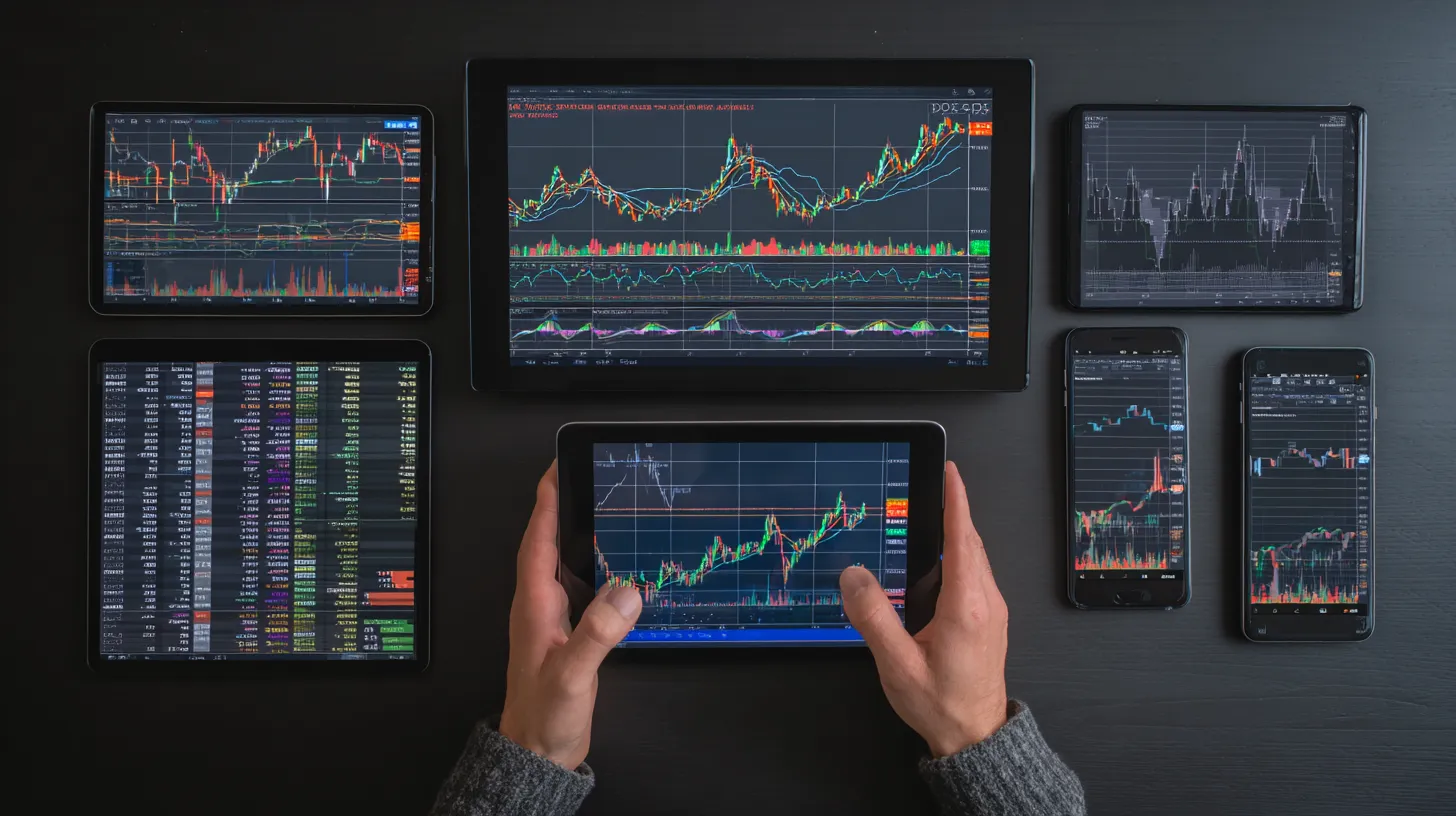
Technical analysis reads market behavior from price, volume, and volatility to infer probability. It excels at timing entries and exits: identifying trend continuation, momentum surges, and exhaustion. Popular tools include moving averages, RSI, MACD, Bollinger Bands, Fibonacci levels, volume profiles, and candlestick structures. Yet the real edge isn’t the indicator—it’s context. A 200-EMA bounce that aligns with a higher-timeframe trend and a liquidity sweep of prior highs is stronger than the same signal in a chop. Think in confluence: structure, momentum, and liquidity, all pointing in the same direction.
Also read : How Does Trading Psychology Work: A Deep Dive Into the Mindset of Winning Traders
🔹 What Fundamental Analysis Means
Fundamental analysis interprets value drivers: growth, inflation, employment, monetary policy, fiscal conditions, and global risk appetite. In forex, relative differences matter—USD vs EUR depends on which economy grows faster, whose inflation is stickier, and how hawkish each central bank turns. Data surprises (like hot CPI) shift rate expectations and reprice currencies fast. For swing traders, FA provides the “why” behind a move and keeps you on the right side of big trends. Watch central bank language, yields, real rates, commodity links (e.g., CAD–oil), and forward-looking indicators like PMIs.
🔹 Key Differences at a Glance
Before we dive deeper, remember that the power of Technical Analysis vs Fundamental Analysis in Forex Trading depends on your timeframe, catalyst, and risk tolerance. Here’s a clean snapshot.
| Aspect | Technical Analysis (TA) | Fundamental Analysis (FA) |
|---|---|---|
| Primary Use | Timing entries/exits | Establishing directional bias |
| Best For | Intraday to short swing | Swing to position trades |
| Data Inputs | Price, volume, volatility | Macro data, policy, sentiment |
| Strengths | Precision, pattern-based, repeatable | Conviction, big moves, narrative |
| Weaknesses | Whipsaws in news regimes | Slow to time entries, lag risk |
| Tools | MAs, RSI, MACD, S/R, order flow | CPI, jobs, PMIs, central banks |
| Risk Events | Can be blindsided by news | Can be invalidated by market structure |
| Edge Source | Confluence and execution | Accurate expectations and catalysts |
🔹 When Technical Leads
TA shines when volatility is contained and catalysts are light. In these conditions, order flow respects structure, and levels hold. Examples: Asian session ranges, post-news compression, or trend-continuation days where pullbacks are shallow. Tactics that work: trend trading with moving averages, break-and-retest at key levels, liquidity sweeps followed by pin bars, and volatility-based stops. Focus on execution: pick clear invalidation (e.g., below swing low), define R:R, and avoid overfitting. TA also excels at risk control: it lets you reduce sizing or step aside when the tape gets sloppy.
🔹 When Fundamentals Dominate
FA leads when macro narratives are in flux—rate path shifts, inflation trends change, central banks pivot, or geopolitics alters risk appetite. These regimes drive multi-session moves where the bigger wave matters more than a single candle. Build your bias from relative policy expectations (e.g., Fed vs ECB), monitor term premium and real yields, and track coincident data that confirms or challenges the story. Then use charts to refine entries aligned with that bias. Think of FA as the wind and TA as the sail: the wind sets direction; the sail optimizes speed.
Also read : Master Forex Safely: How a Forex Demo Account Can Sharpen Your Trading Edge
🔹 Blend Both for an Edge
The smartest traders treat Technical Analysis vs Fundamental Analysis in Forex Trading as complementary, not competing. Use fundamentals to define bias and choose pairs (e.g., go long the currency with improving growth and sticky inflation vs one with soft data), then use technicals to time the risk with precision. For example, a hawkish surprise from a central bank? Wait for the first pullback to prior resistance turned support, confirm momentum with RSI or structure, then enter with a tight stop. The blend reduces false starts and boosts average trade quality.
🔹 A Simple Workflow
To make Technical Analysis vs Fundamental Analysis in Forex Trading work together every day, build a routine. Morning: scan the economic calendar for high-impact events and note consensus vs likely surprises. Define macro bias by ranking currencies on growth, inflation, and policy trajectory. Midday: mark key technical levels on higher timeframes (HTF structure) and refine entries on the execution timeframe. Pre-event: reduce risk or hedge if volatility risk is high. Post-event: trade only if the outcome meaningfully diverges from expectations and the chart confirms. Journal every trade with hypothesis and post-mortem.
🔹 Risk and Trade Management
Edge fades without disciplined risk. Position size by volatility: ATR-based stops adapt to changing conditions and reduce random stop-outs. Use asymmetric payoffs—seek trades where your initial risk is small relative to the obvious potential (like a clean break from a multi-week range). Scale in only when the structure improves; scale out at logical targets to bank realized edge. Protect your downside during red events by reducing size or avoiding exposure if your method doesn’t handle fast moves. Consistency in execution beats hunting for perfect signals.
🔹 Case Study: CPI Shock Trade
In this live-market example, we let Technical Analysis vs Fundamental Analysis in Forex Trading guide entry and context on a USD pair. Suppose CPI prints above consensus for the third month, pushing terminal rate expectations higher. The FA bias is USD bullish. Price spikes, then stalls at a weekly resistance. Don’t chase the candle. Wait for the break-and-retest: if H1 closes above resistance, pull back into the level, and lower-timeframe prints a bullish rejection with rising RSI from midline, that’s your timing. Stop: below the retest low. Target: prior swing high plus measured move.
🔹 Case Study: Range to Breakout
Consider EURUSD consolidating in a multi-week rectangle while ECB signals patience and the Fed remains mildly hawkish. No obvious FA catalyst this week? Lean on TA. Mark the range extremes and liquidity pools. If the pair sweeps the range low, traps shorts, and snaps back inside the box on rising volume, you’ve got a squeeze setup. Confirm with a strong close and tighter spreads. Set entries near reclaimed levels, risk below the sweep, and trail into strength. If a surprise data beat hits mid-trade, you can use FA to hold winners longer with conviction.
🔹 Common Pitfalls
The biggest trap in Technical Analysis vs Fundamental Analysis in Forex Trading is binary thinking: treating one as “right” and the other “wrong.” Other pitfalls include overfitting indicators to random noise, ignoring event risk, forcing trades in dead ranges, and anchoring to outdated macro narratives. Fix it by defining trade hypotheses that tie catalyst to structure: “If NFP surprises to the upside by 100k+, expect USD bid; look for pullback to prior resistance for entry.” When evidence changes, change your mind. Edge is a process, not a prediction.

🔹 Tools You’ll Actually Use
Keep it simple and robust. For TA: 20/50/200 EMAs for trend context, RSI for momentum confirmation, ATR for stops, session levels, and a clean S/R map. For FA: an economic calendar, central bank statements, dot plots or rate path trackers, PMI dashboards, and yield curve snapshots. For execution and review: a journaling app with screenshots, and a fixed checklist before placing any trade. Optional: a news squawk for speed during major events. The fewer moving parts, the easier it is to diagnose and improve your edge.
🔹 Deeper Dive: Mechanics That Matter
At a detailed level, price is a voting machine over short horizons and a weighing machine over longer ones. Short-term moves often reflect liquidity and positioning—think stop runs around obvious highs/lows and session reversion patterns. Over days to weeks, flows follow expectations: if markets price a higher policy path, the currency tends to appreciate until the story changes. Your job is to map these horizons. On the micro side, use structure and momentum to avoid fighting flows. On the macro side, track the path of surprises: repeated beats or misses shift the center of gravity, not just the candles.
🔹 Your Action Plan and CTA
If you’re ready to turn Technical Analysis vs Fundamental Analysis in Forex Trading into a repeatable edge, take these steps now. Define your timeframe, then document the signals you will and won’t trade. Build a bias from policy differentials and data momentum, select pairs that express it cleanly, and use technical confluence for entry. Risk small, scale thoughtfully, and journal mercilessly. Start today: open a demo, backtest a month, then go live with half size for two weeks. Commit to one playbook for 20 trades before you tweak anything. Momentum favors the disciplined.
🔹 Why EXNESS Fits the Bill
Choosing the right broker turns a good plan into consistent execution, and EXNESS is a strong alternative for forex traders who value reliability. You get tight, transparent spreads across major pairs, fast order execution that helps during high-impact events, and flexible leverage with robust risk controls. EXNESS also offers stable platforms, deep liquidity, and convenient deposits/withdrawals—practical advantages when you’re timing entries off both macro catalysts and technical levels. If your strategy blends bias from fundamentals with precise chart-based execution, EXNESS provides the stable infrastructure to trade your edge with confidence.